Blog

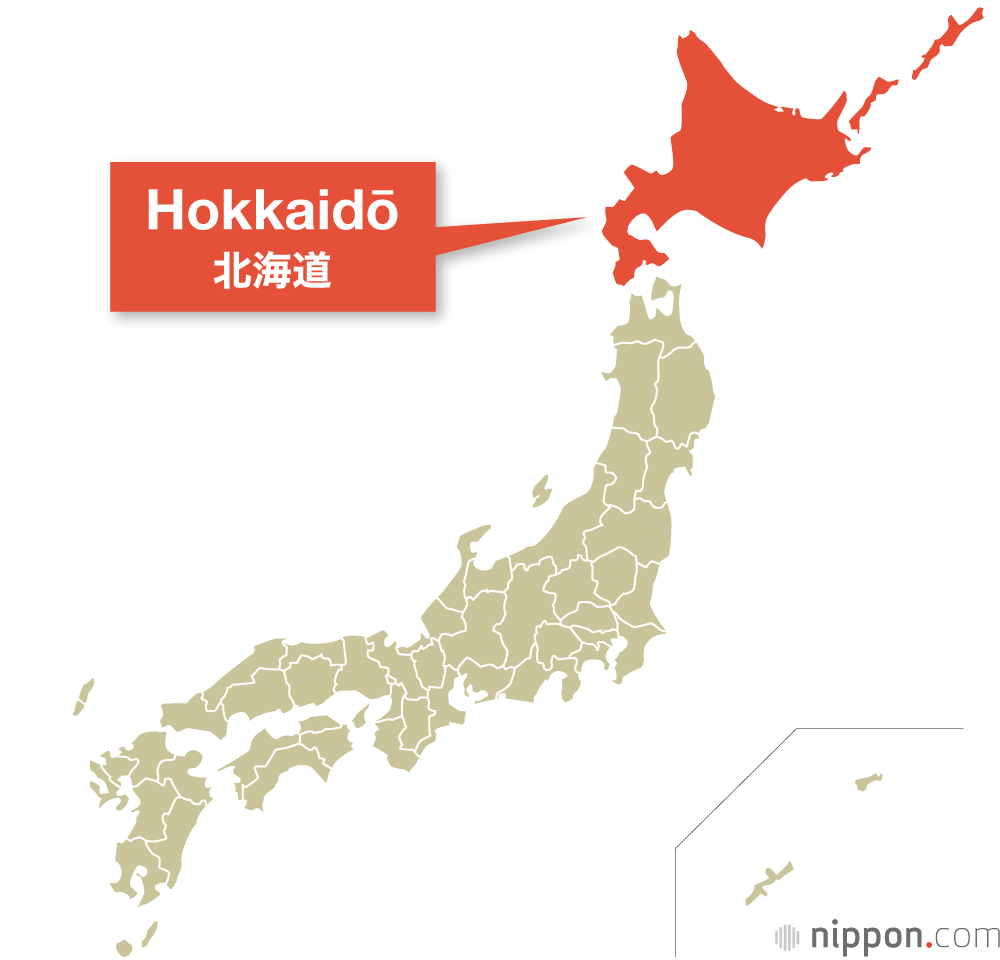
Tag: The Prefectures of Japan Hokkaidō Prefecture

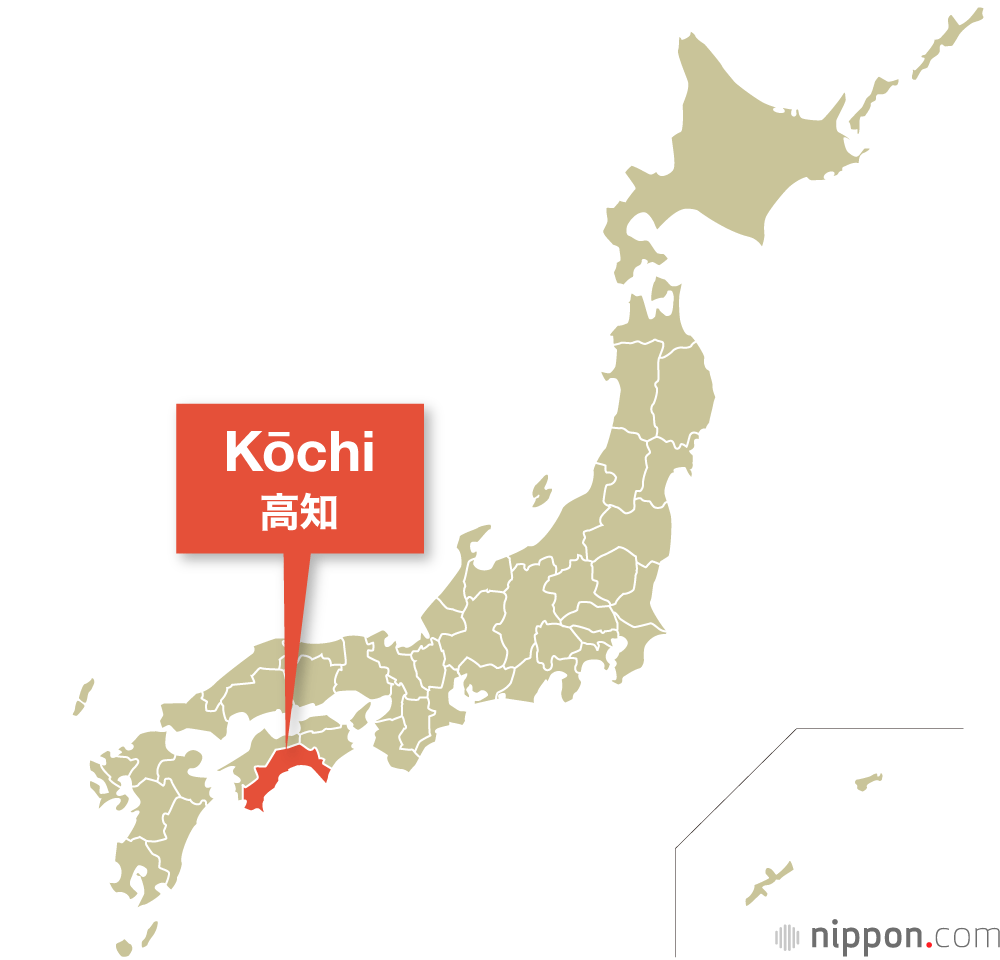
Kōchi Prefecture

The Prefectures of Japan Kōchi Prefecture

Kōchi Prefecture Banzai Japan Idol Group Visit there Website Kōchi, the largest of the four prefectures on the island of Shikoku, is famed for its natural splendor, including the pristine Shimanto River. Kōchi is the largest of Shikoku’s four prefectures. Its arching southern coastline borders Tosa Bay and the Pacific Ocean, while the inland is largely mountainous and densely forested. Much of the population resides in the centrally situated Tosa plain, where the prefectural capital of Kōchi is situated. Kōchi Prefecture at a Glance Established in 1871 (formerly Tosa province) Capital: Kōchi Population: 692,000 (as of Oct. 2020) Area: 7,103 km2 Kōchi offers visitors many tourist attractions. Its long coastline is marked by picturesque headlands, beaches, and other natural features. In the mountains, the sprawling Tengunomori plateau along the border with Ehime Prefecture is dominated by the Shikoku Karst, and the Shimanto River, considered Japan’s last pristine waterway, flows in the southwest of the prefecture. Kōchi is home to several temples on the henro pilgrimage route around Shikoku, and Kōchi Castle and Hirome Market, with its shops offering katsuo tataki (seared bonito) and other local delicacies, are popular stops in the capital. Kōchi’s agricultural, forestry, and fishing industries account for a large portion of its economic output. It is a major producer of yuzu, or Japanese citron, the scent of which is used to enhance the aroma of an array of items from bathwater to foods. The prefecture is also known for its abundant hauls of bonito, traditionally caught with just a pole and line in a style called ipponzuri, along with a range of other marine products brought by the Kuroshio (Japan Current) that flows along its coast. Other important sectors include the manufacturing of industrial machinery, paper, and lumber. Traditional manufacturing includes washi (Japanese paper), forged blades called Tosa uchihamono, and ceramics. Kuroshio-kun, Kōchi’s official mascot, brings to mind the waves of the Japan Current (Kuroshio), which flows off the prefecture’s Pacific coastline. Famous Figures Nakahama Manjirō (1827–98): Also known as John Manjirō, he was rescued by an American whaling ship when his fishing boat went adrift and ended up travelling to the United States, where he studied English and other subjects. Served as a translator and interpreter for the Japanese government. Sakamoto Ryōma (1836–67): Imperial loyalist known for brokering an alliance between the Satsuma and Chōshū domains (now Kagoshima and Yamaguchi Prefectures, respectively) that brought an end to the Tokugawa shogunate. He was famously assassinated by unknown figures while in Kyoto. https://www.youtube.com/watch?v=m3d0HbNAB5w MRPMWoodmanPaul (Poison Fish) Manjyu Woodman depressed.media

Read More 🡥
Fukushima Prefecture

The Prefectures of Japan Fukushima Prefecture

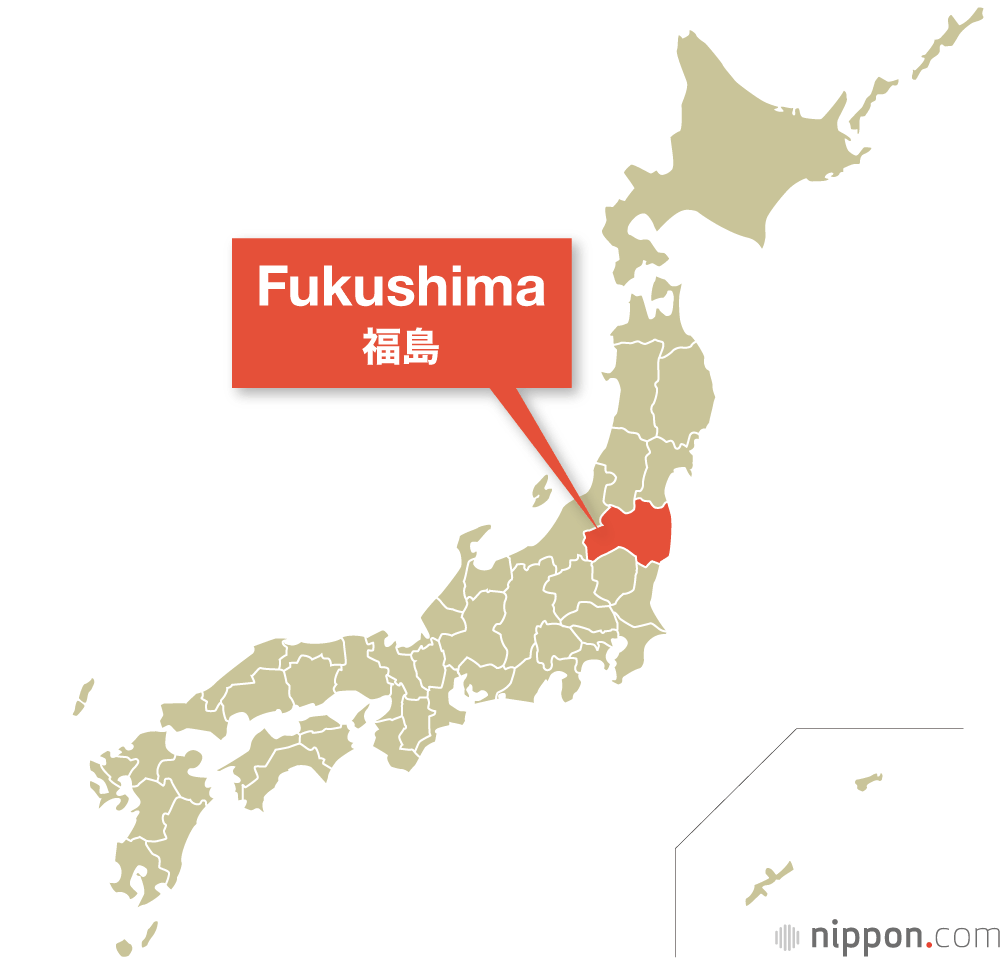
Fukushima Prefecture Banzai Japan Idol Group Visit there Website Fukushima Prefecture, Japan’s third largest by area, lies some 200 kilometers north of Tokyo on Japan’s main island of Honshū. Fukushima is the southernmost prefecture in Japan’s Tōhoku region. From Aizuwakamatsu, its historic castle town in the western Aizu area, to the Hamadōri area on the Pacific coast, this expansive prefecture has much to offer to visitors. Fukushima Prefecture at a Glance Established in 1876 (formerly part of Mutsu province) Capital: Fukushima Population: 1,833,000 (as of Oct. 2020) Area: 13,784 km2 Fukushima is the third largest prefecture in Japan and the second largest in Tōhoku, behind Iwate. Spanning much of the width of the island of Honshū, from its border with Niigata Prefecture in the west to the Pacific Ocean in the east, Fukushima boasts a range of terrain and climatic conditions, from the mountain wilderness in its far western area of Aizu to the warmer coastal Hamadōri area in the east, with the Nakadōri area between them. To the north of Fukushima are Miyagi and Yamagata Prefectures; to the south, it borders Gunma, Tochigi, and Ibaraki. Hiuchigatake, at 2,356 meters the highest peak in the prefecture, stands in Oze National Park, which straddles the borders with Gunma, Tochigi, and Niigata. More famous, though, is the 1,816-meter Mount Bandai, north of Lake Inawashiro in the center of the prefecture. Fukushima Prefecture has a thoroughly modernized economy, with chemicals, IT equipment, and transportation machinery topping its list of manufacturing industries. The prefecture’s broad plains and rich forestry resources have also made it a powerhouse in production of crops like peaches, for which it ranks second in Japan, and rice, sixth. The March 11, 2011, Great East Japan Earthquake dealt Fukushima a triple blow, with the quake damage followed by the massive tsunami and then the meltdowns at Fukushima Daiichi Nuclear Power Station on the prefecture’s northern coast. Parts of a number of municipalities near the station remain closed to habitation indefinitely due to radiation concerns, and work to dismantle and safely dispose of the damaged reactors and containment buildings is expected to continue for decades. Also receiving a major blow was Fukushima’s fisheries industry. Nationwide and international concerns about radiation leaking into the sea have caused consumers to avoid Fukushima’s seafood, despite stringent safety checks. The prefectural fishing industry’s output remains less than half of what it was in 2010, before the disaster. Tourism remains an area where Fukushima is counting on growth. Ski areas around Mount Bandai, hot springs along the coast and in the mountainous areas, the castle Tsurugajō and other historical attractions in the western city of Aizuwakamatsu, and the surprising presence of Spa Resort Hawaiians, a Pacific-island-themed hotel complex in the city of Iwaki, all bring people to visit. Located just a couple hours north from Tokyo via Shinkansen, Fukushima also hosts annual festivals like the Sōma Nomaoi, a horse-riding event with a millennium of history. The prefecture now uses a mascot called Kibitan, based on the kibitaki (narcissus flycatcher), to symbolize the recovery from the 3/11 disaster. Famous Figures Noguchi Hideyo (1876–1928): Bacteriologist. Despite badly burning one hand in an accident as a toddler, he persevered and became a celebrated medical researcher, doing work in the United States, Europe, South America, and Africa and helping to identify the causes of diseases like syphilis and yellow fever. Felled by illness in Ghana during a research trip, he remains a heroic figure to this day, and is featured on the ¥1,000 note. Tsuburaya Eiji (1901–70): Filmmaker. Known as the “father of tokusatsu” practical special effects, he was a creator of the Godzilla and Ultraman film franchises, and worked on some 250 movies during his prolific and influential career. Nishida Toshiyuki (1947–): Actor. Most famous in Japan for starring in the long-running Tsuribaka nisshi fishing-themed film series, he has won two Japanese Academy Awards for best actor. MRPMWoodmanPaul (Poison Fish) Manjyu Woodman depressed.media
Read More 🡥
Tochigi Prefecture

The Prefectures of Japan Tochigi Prefecture

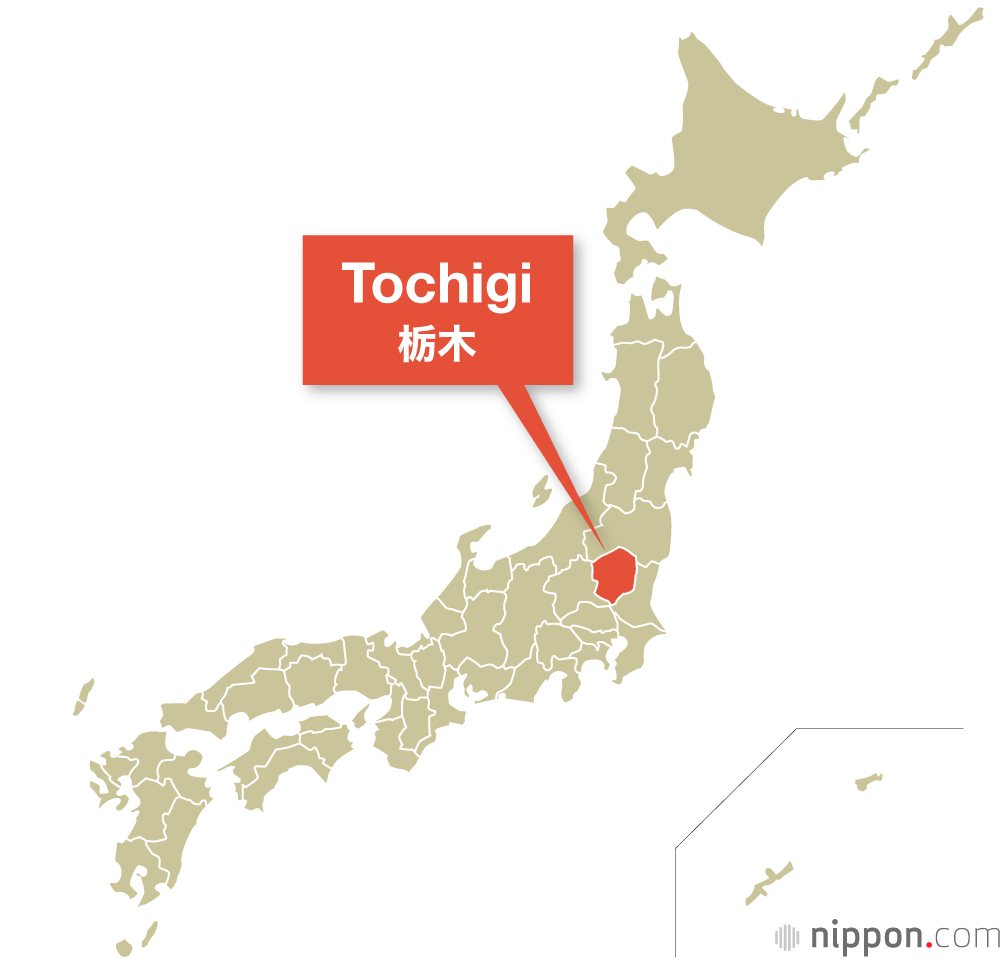
Tochigi Prefecture Banzai Japan Idol Group Visit there Website Tochigi Prefecture, north of Tokyo in the Kantō region, is rich in history and famed for the tourist destination of Nikkō. Tochigi Prefecture, located in the Kantō region to the north of Tokyo, is one of the eight prefectures in Japan without access to the sea. Utsunomiya, the prefectural capital, is famed for its gyōza dumplings. In the prefecture’s west is Nikkō, home to temples and shrines that have been declared a UNESCO World Heritage site. In the north are Shiobara, famed for its hot springs and autumn foliage, and Nasu, the location of one of the imperial family’s villas. Tochigi Prefecture at a Glance Established in 1873 (formerly Shimotsuke province) Capital: Utsunomiya Population: 1,933,000 (as of Oct. 2020) Area: 6,408 km2 Tochigi lies just north of Tokyo, making it a major tourist destination, both for domestic travelers and for foreign visitors looking to sample the history it has to offer. The forested mountains of Nikkō are the site of historic spots including Tōshōgū, which enshrines Tokugawa Ieyasu, the founder of the Tokugawa shogunate that ruled Japan from 1603 to 1867. The “Shrines and Temples of Nikkō” were inscribed on the UNESCO list of World Heritage sites in 1999. The prefecture is flat in the south and east, with the bulk of its population clustered in cities like the capital Utsunomiya, Sano, Ashikaga, and Tochigi. To the west and north lie tall mountains, including the Nikkō peaks of Mount Shirane (2,578 meters) and Mount Nantai (2,486 meters), as well as Nasu’s Mount Chausu (1,915 meters), the site of the volcanic gas-spewing “killer rock” celebrated in Matsuo Bashō’s poetry. Tochigi is an agricultural powerhouse, ranking in Japan’s top 10 prefectures for its crop and livestock output. In particular it ranks top in Japan for strawberries, including the Tochiotome variety named for the prefecture, as well as kanpyō dried gourd shavings and udo, Japanese spikenard or “mountain asparagus.” In the north of the prefecture, the mountains of Shiobara and Nasu offer a wealth of hot-spring destinations relatively near to Tokyo, making them popular destinations for short trips. Nasu is also home to one of the imperial villas, where the emperor and family go to escape the summer heat. In the southeast of Tochigi, the town of Mashiko is a globally famed ceramics center. In the west of the prefecture, Nikkō features world-famous shrines and temples that UNESCO has included on its list of World Heritage sites. Nikkō Tōshōgū, completed in 1636 by the third Tokugawa shōgun, Iemitsu, is a complex including the mausoleum for Ieyasu, the founder of the Tokugawa dynasty that lasted from the dawn of the seventeenth century up through 1867. The prefectural mascot, Tochimarukun, made his debut in 2009, and has been the official prefectural mascot since 2011. Famous Figures Ibuka Masaru (1908–97): Industrialist and cofounder of Sony. Along with Morita Akio, he built the company Tokyo Telecommunications Engineering, which became Sony in 1958. He was president of the company from 1950 to 1971, during which era it grew into a global name, and served as chairman from 1971 until his 1976 retirement. Guts Ishimatsu (1949–): Boxer and entertainer. Born Suzuki Yūji, made his professional debut in 1966, and despite a less than stellar professional win/loss record, managed to defeat Rodolfo González in 1974 to take the WBC lightweight title. Transitioned to a full-time media celebrity career from the 1970s onward. https://www.youtube.com/watch?v=_-5vj5Ew9WU MRPMWoodmanPaul (Poison Fish) Manjyu Woodman depressed.media
Read More 🡥
Hokkaidō Prefecture

The Prefectures of Japan Tokushima Prefecture

Tokushima Prefecture Banzai Japan Idol Group Visit there Website Tokushima Prefecture, on the eastern end of Shikoku, is a center of traditional indigo dying and is home to historic temples, steep gorges, and the lively Awa Odori festival. Tokushima Prefecture is located at the eastern end of Shikoku and shares borders with the island’s three other prefectures, Kagawa, Ehime, and Kōchi. It has an extensive coastline, extending from the Seto Inland Sea in the north and along the Kii Channel and Pacific Ocean to the east. The mountainous inland is dominated by the low peaks of the Sanuki Mountains in the north and the taller Shikoku range in the south, which includes 1,955-meter Mount Tsurugi, Shikoku’s highest summit. The Yoshino River, the prefecture’s main artery, passes through steeps gorges and then meanders across the flat, arable land in the central part of the prefecture while making its way to the coast. Tokushima Prefecture at a Glance Established in 1871 (formerly Awa province) Capital: Tokushima Population: 720,000 (as of Oct. 2020) Area: 4,147 km2 The prefecture’s long coastline, densely forested mountains, and rich culture and history make it a popular destination for travelers. The Naruto Strait is famed for its massive whirlpools, while the Pacific coastline to the south attracts surfers and other beachgoers. The Ōboke and Koboke gorges in the Iya valley near the headwaters of the Yoshino River offer outdoor activities like hiking and rafting. The henro, an ancient 88-temple walking route that snakes around Shikoku, starts in Tokushima. The Awa Odori, held in mid-August, is one of Japan’s most famous festivals. Tokushima has a robust economy supported by industries like LEDs, pharmaceuticals, and machinery manufacturing. Paper and lumber are core sectors that rely on the prefecture’s abundant forests. Farmers produce staples like rice and vegetables along with specialties like the citrus fruit sudachi and the Naruto Kintoki variety of sweet potato. Naruto wakame is farmed in the nutrient-rich coastal waters. Since the Edo period (1603–1868), Tokushima has been a traditional center for the production of wasanbon sugar used to make Japanese confections and indigo. Tokushima’s official mascot Sudachi-kun is based on the small sudachi citrus fruit grown in the prefecture. Famous Figures Miki Takeo (1907–88): Liberal Democratic Party politician who served as prime minister of Japan from 1974 to 1976. Setouchi Jakuchō (1922–2021): Author and Buddhist nun known for her biographical novels and modern Japanese translations of classical works like The Tale of Genji. https://www.youtube.com/watch?v=AKIMrnBIybI MRPMWoodmanPaul (Poison Fish) Manjyu Woodman depressed.media
Read More 🡥

Newsletter

Subscribe to our newsletter for update informations, recipes or insight

Latest Post

Tags